3-Day Chengdu Itinerary for First-Time Visitors
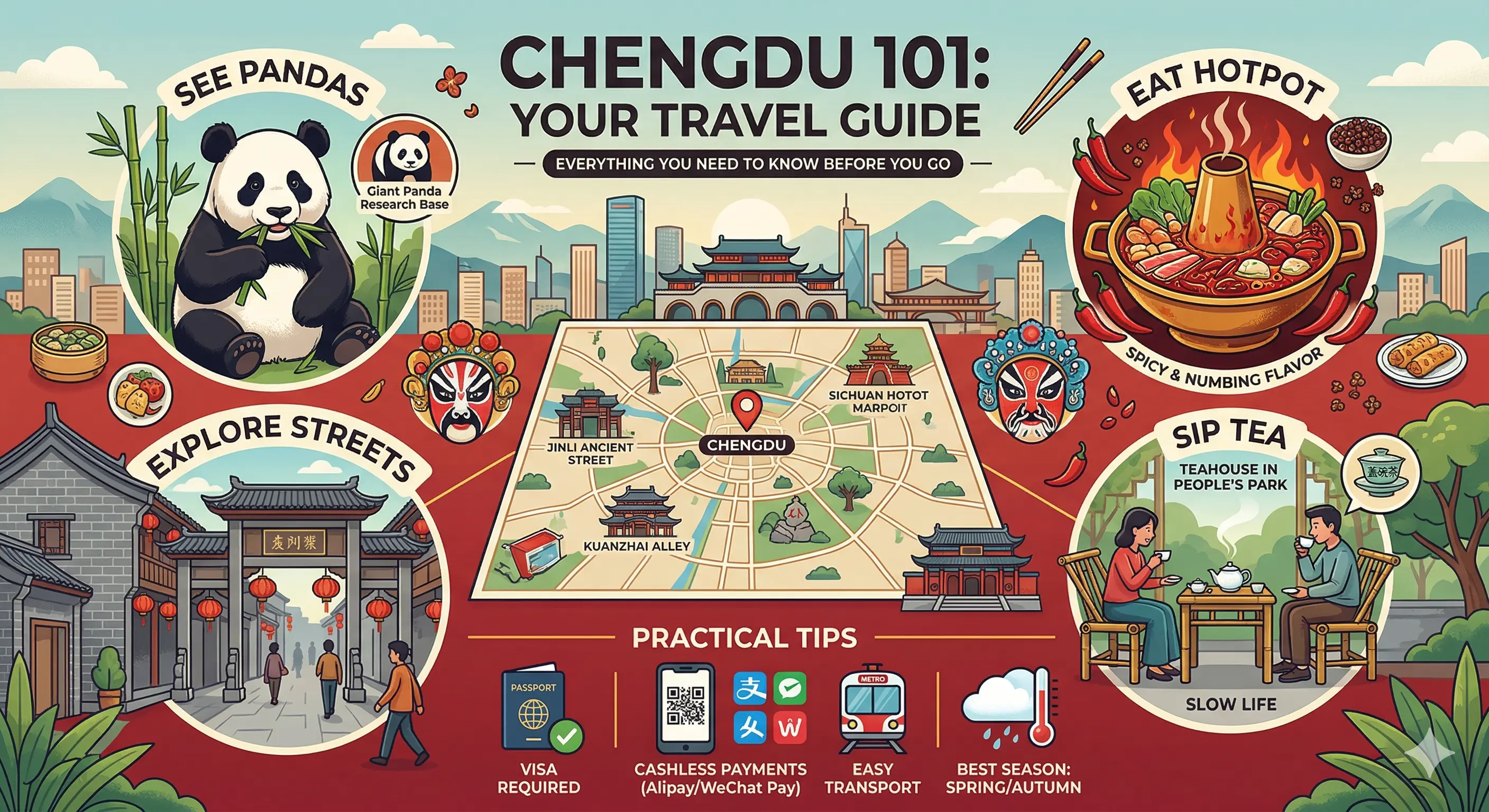
Three days is the right amount of time for a first visit to Chengdu. You'll see the Panda Base, walk the main historic streets, eat well, and still have one day for a side trip or slower exploration.
This itinerary is built for people who have never been to Chengdu. It's specific about timing because timing matters here — the Panda Base especially.
Before You Start: Two Things to Sort Out
1. Book the Panda Base ticket in advance.
The official Chengdu Research Base of Giant Panda Breeding requires timed entry tickets. Buy online before you go — the same-day queue is slow and sometimes sold out on weekends.
2. Decide your Day 3 option before Day 1.
Day 3 in this itinerary has two versions: a day trip to Leshan (Giant Buddha), or a slower city day. Your choice changes where you should stay. If you're doing Leshan, a hotel near a major metro station saves you time.
Day 1: Pandas, Jinli Street, Hot Pot
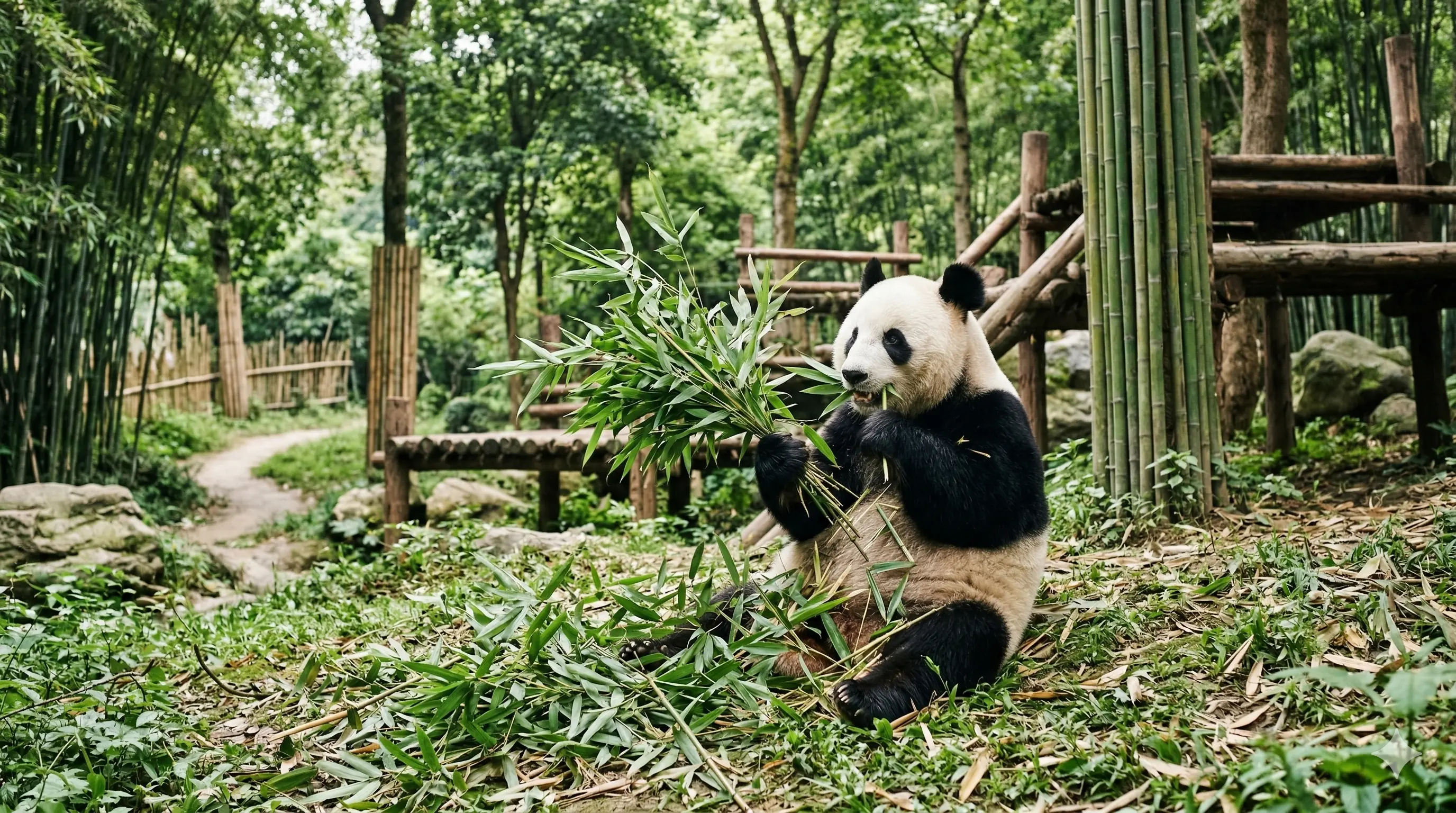
Morning — Chengdu Panda Base (8:00am – 11:30am)
Arrive at the gate by 8:00am at the latest. Pandas are fed in the morning and are most active before 10am. By 11am they're usually napping and barely visible.
Allow 2.5–3 hours inside. The base is larger than it looks — there are multiple enclosures for cubs, adults, and red pandas. Don't rush through to see more — focus on the areas where animals are actually moving.
Getting there:
- Taxi or DiDi from city center: 25–40 min, ¥30–50
- Bus 198 or 87 runs from the city center (slower, fine if you're near the route)
- No direct metro — taxi/DiDi is the clearest option for first-timers
What to bring: Sunscreen, comfortable shoes, small backpack. The base involves a lot of walking on paths.
→ See the full Chengdu Panda Base Guide for timing and what to expect inside.
Lunch — Near the Panda Base or Back in the City (11:30am – 1:00pm)
There are food stalls and a canteen inside the Panda Base — fine for a quick bite but not worth staying for a full lunch. Most people head back toward the city to eat.
Option A: Head to Jinli Street (about 30 min from the Panda Base by taxi) and eat near there. Plenty of options from ¥20 street food to ¥60–80 sit-down.
Option B: Drop your bags at the hotel if you haven't checked in yet, then walk to find lunch. Chunxi Road area has hundreds of options.
Afternoon — Jinli Ancient Street (1:30pm – 4:30pm)
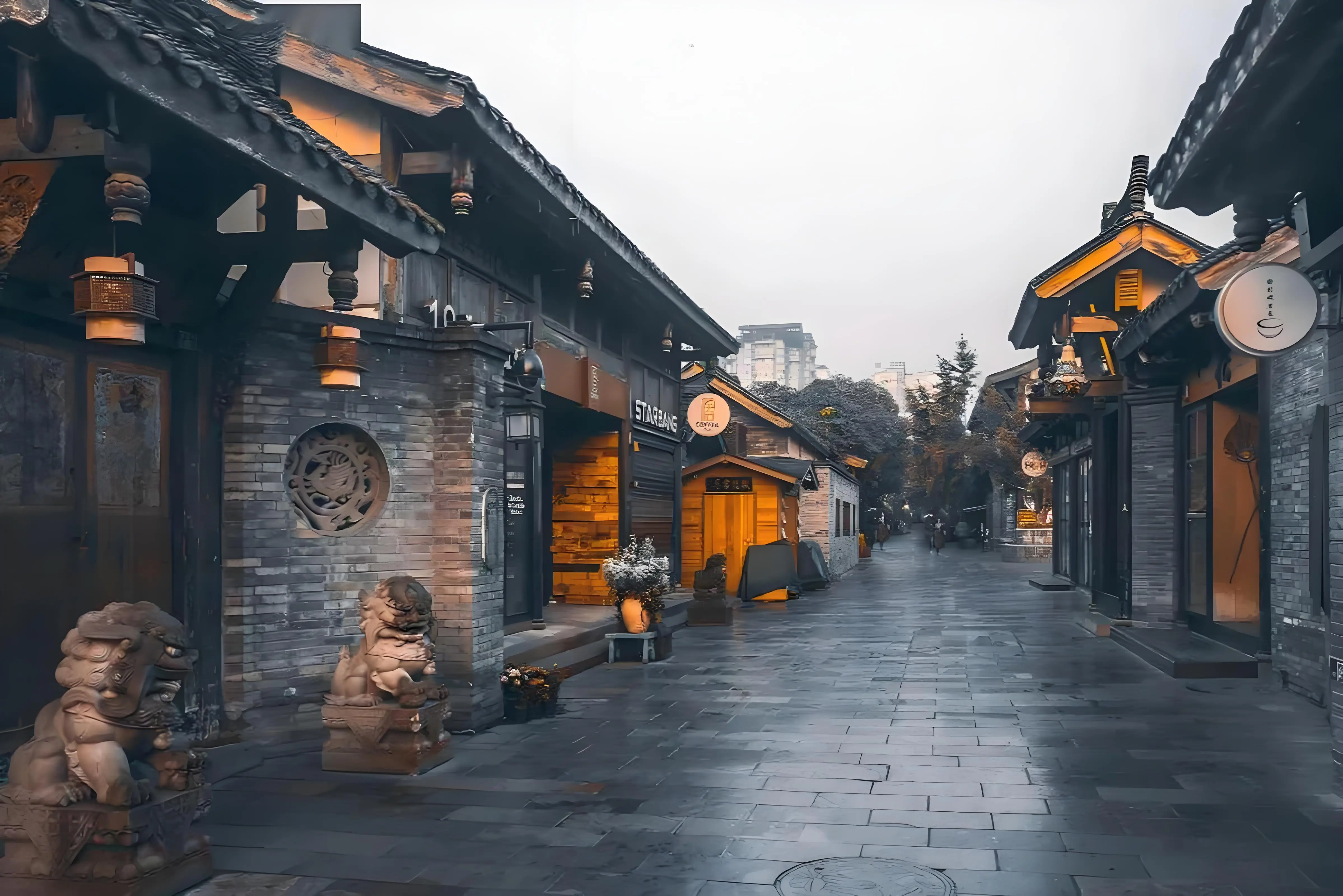
Jinli (锦里) is a pedestrian street next to the Wuhou Shrine (武侯祠). It's touristy, yes — but it's the right kind of touristy for a first visit. The street has preserved architecture, local snacks, souvenir shops, and a decent atmosphere if you go before 5pm when crowds peak.
What to do here:
- Walk the full length (takes about 40 minutes at a relaxed pace)
- Try the local snacks: 三大炮 (glutinous rice balls), 冰粉 (cold jelly dessert), sugar-dipped hawthorn
- If you want, pay the entry fee to walk through Wuhou Shrine next door (about ¥50) — it's a genuine historical site, not a fake reconstruction
Skip: The Wuhou Shrine if you're not interested in history or temples. The street itself is free.
Evening — Sichuan Hot Pot Dinner (6:30pm – 8:30pm)
Tonight is your hot pot introduction. Don't go to the most famous tourist hot pot chains on your first night — the wait can be 1–2 hours and the experience is built for large groups.
Better approach for first-timers:
- Ask your hotel to recommend a local spot nearby, or
- Find a mid-range local hot pot restaurant (¥80–150 per person) that doesn't require a reservation
What to order if this is your first time:
- 鸳鸯锅 (half-spicy, half-clear broth) — lets you try the spicy broth without committing fully
- Order vegetables, tofu, mushrooms, and thinly sliced beef before adding more adventurous cuts
- The 毛肚 (tripe) and 鸭肠 (duck intestine) are the local specialties — try a small amount to see what you think
→ See the full Hot Pot Ordering Guide for First-Timers if you want to know what everything on the menu means.
Day 2: Old Town, Temple, City Walk
Morning — Kuanzhai Alley (9:00am – 11:30am)
Kuanzhai Alley (宽窄巷子) is Chengdu's preserved historic lane complex. Three parallel alleyways with Qing dynasty architecture, teahouses, and local shops.
Go in the morning, before 10:30am if possible. By noon it's crowded enough that the atmosphere is mostly gone and it becomes a queue for photo spots.
What to do:
- Walk all three lanes (宽巷子, 窄巷子, 井巷子) — takes 1.5 hours total at a relaxed pace
- Stop at a teahouse for traditional Gaiwan tea (盖碗茶) — ¥30–50 and genuinely worth the experience
- 井巷子 (Jing Lane) has a wall of old Chengdu bricks with text, less photographed, more interesting
How to get there:
- Metro Line 4 to Kuanzhai Xiangzi station, 5-minute walk
- Or taxi/DiDi (10–15 min from most central hotels)
Lunch — Wenshu Monastery Area (12:00pm – 1:30pm)
A 15-minute walk or short taxi from Kuanzhai Alley. The streets around Wenshu Monastery (文殊院) have inexpensive, unpretentious local restaurants. This is where locals eat.
Look for restaurants serving 钟水饺 (Zhong-style dumplings), 担担面 (dan dan noodles), or 抄手 (wontons in sauce). Expect ¥20–40 for a full meal.
The monastery itself is free to enter and worth 30 minutes if you want to see an active Buddhist temple without the tourist crowds of other sites.
Afternoon — Chunxi Road and Taikoo Li (2:30pm – 5:30pm)
Chunxi Road (春熙路) is Chengdu's main commercial street and the center of modern city life. The adjacent Taikoo Li complex is a well-designed open-air shopping area built around a historic temple (Daci Temple).
This isn't a "tourist attraction" — it's where Chengdu residents spend their afternoons. It's worth 2–3 hours for:
- People-watching in one of China's most style-conscious cities
- Food: the basement food halls and surrounding streets have excellent snack options
- The incongruous experience of seeing a working Tang dynasty temple (大慈寺) surrounded by luxury shops
Evening — Dinner Your Way (6:30pm onward)
By now you have a sense of the city. Tonight is less scheduled.
Options:
- Return to a food type you tried yesterday and want more of
- Try 串串香 (skewer hot pot — smaller, faster, cheaper than regular hot pot, and very local)
- Walk the Chunxi Road night scene — it's well-lit, busy, and gives a real sense of Chengdu city energy
Day 3, Option A: Leshan Giant Buddha Day Trip
Best for: People who want to see something genuinely impressive outside the city.
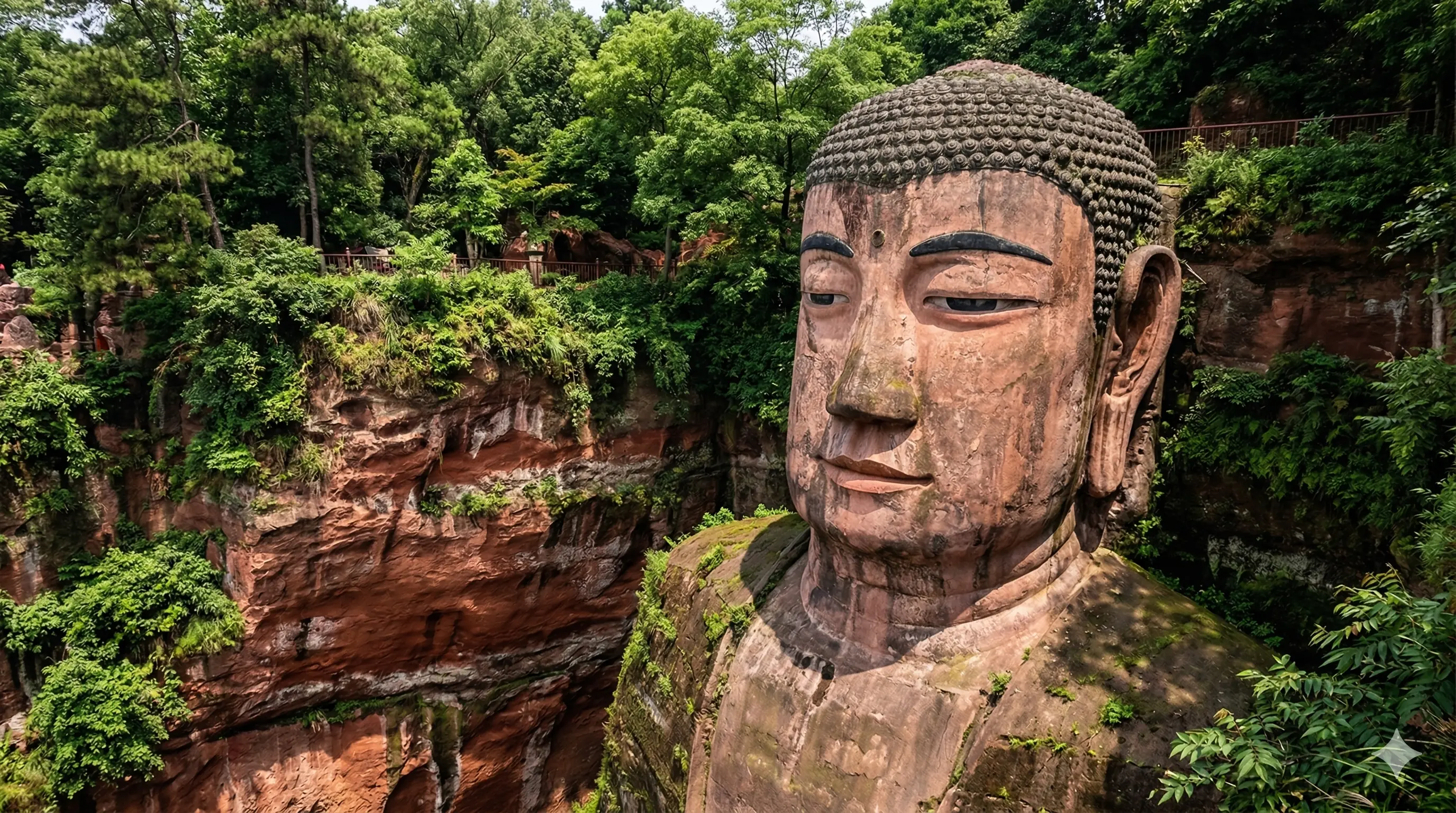
The Leshan Giant Buddha (乐山大佛) is a 71-meter stone Buddha carved into a cliff face. It's the largest stone Buddha in the world. The scale is not obvious from photos — it becomes real when you're standing next to it.
Timing
- Leave Chengdu by 8:00am. High-speed train from Chengdu East Station takes about 1 hour to Leshan.
- Arrive at the site by 10:00am. Allow 2–3 hours at the site.
- Eat lunch in Leshan (local restaurants near the site are good and inexpensive).
- Head back by 3:00pm. Back in Chengdu by 5pm, with evening free.
Getting There
- High-speed train: Chengdu East (成都东站) → Leshan (乐山站), about 55–65 min, ¥30–50 depending on train type. Buy on the 12306 app or at the station.
- Long-distance bus: From Chengdu Xinnanmen Bus Station. Slower (2 hours), cheaper, but less predictable timing.
Recommendation for first-timers: Take the high-speed train. It's reliable, fast, and the station connections are clear.
At the Site
There are two ways to see the Buddha:
- Walk down the cliff path to see it from the river level (best view, requires descending and ascending steep steps — busy, plan 45 min for this section alone)
- Take a boat to see it from the river (fast, less effort, different angle — ¥70–90)
Do both if you have energy. If not, walk the cliff path — that's the version you'll remember.
→ See the full Leshan Day Trip Guide for exact logistics.
Day 3, Option B: Slower City Day
Best for: People who prefer a slower pace, don't want a long travel day, or have specific interests.
Use Day 3 to:
- Morning: A neighborhood you haven't walked yet — try Yulin (玉林) or the area around People's Park (人民公园). People's Park has local mahjong players, a famous tea garden, and zero tourist infrastructure.
- Afternoon: Any museum or site you skipped — Sichuan Museum (free, good coverage of local history and artifacts), or a second look at Taikoo Li.
- Evening: A nicer dinner — Chengdu has serious restaurant culture and a slower final evening is worth spending on one good meal.
Practical Notes for This Itinerary
Transport:
Use DiDi (the Chinese ride-hailing app) for trips that don't connect easily by metro. Download it before your trip and set up payment. Some foreign cards work; a WeChat Pay setup makes it easier.
Metro:
Chengdu metro is clean, cheap, and covers most tourist areas. Lines 1, 2, and 4 cover the main zones in this itinerary. Fares are ¥2–6 for most trips.
Food budget:
Street food and local restaurants: ¥20–50 per meal. Hot pot: ¥80–150 per person. You can eat well in Chengdu on a modest budget.
What to skip:
- Long queues at the most famous hot pot chains on short trips
- Trying to add Dujiangyan to the Leshan day (too much)
- Any "Chengdu highlights in one afternoon" tour